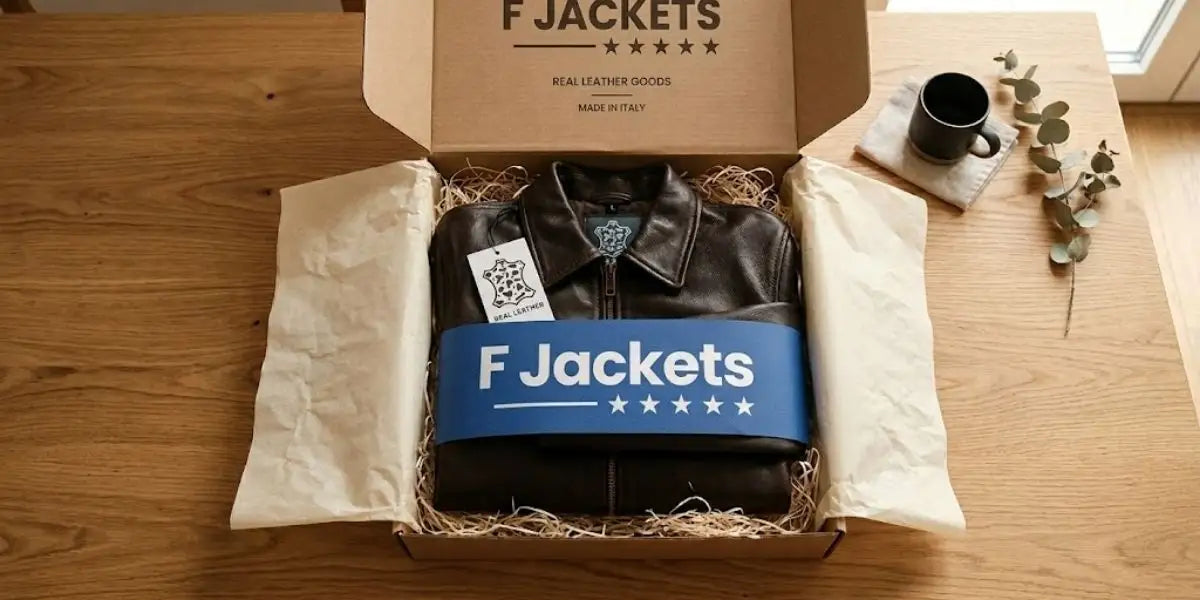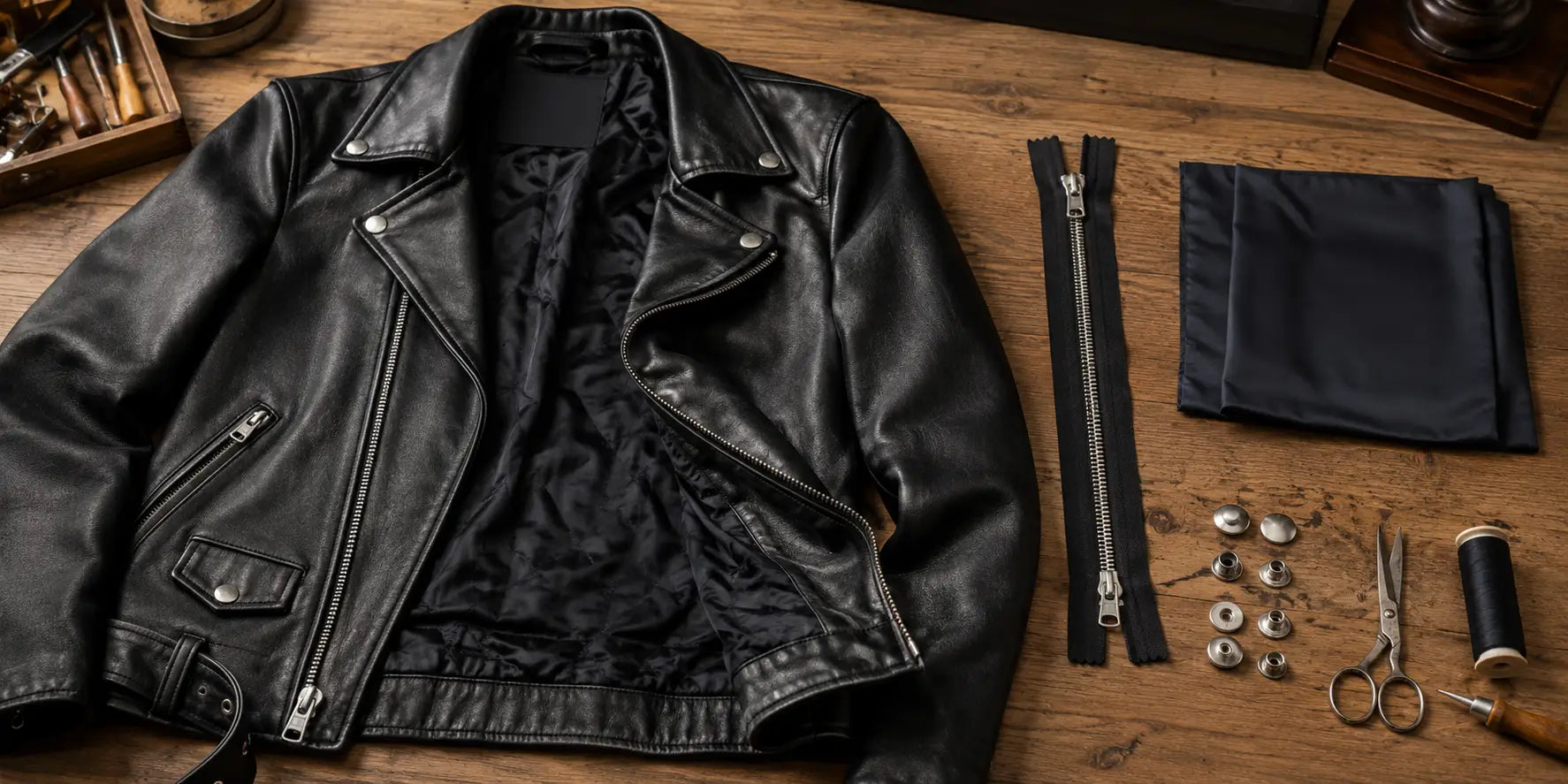
The Sniff Test: Identifying Real Leather in Seconds

Of all the ways to tell real leather from fake, smell is the fastest and the hardest to fake. Three seconds, one breath, and you'll know whether you're browsing a vintage shop in Fitzroy or unboxing an online order in Perth. Here's exactly what real leather smells like, what fake smells like instead, and how to run the sniff test like someone who actually knows.
Quick Answer
Real leather smells warm, earthy, slightly sweet, and faintly musky like a saddle shop or an old book. The scent comes from animal proteins, natural oils, and tanning agents none of which plastic has. Fake leather smells like vinyl, plastic, or chemicals. If you have to convince yourself it "kind of smells like leather," it's not.
What Real Leather Smells Like

Real leather smells alive. The scent comes from animal proteins, natural oils, and tanning agents especially vegetable tannins and produces a smell that synthetics can't replicate. The most common descriptors:
- Warm and earthy like saddle leather or well-worn boots.
- Slightly sweet a soft, almost vanilla undertone from natural oils.
- Faintly musky a quiet animal note, never aggressive.
- Like an old book paper, glue, and aged fibre lean the same way.
How the Smell Varies
Real leather isn't all one smell:
- Lambskin: softer, sweeter, less musky.
- Cowhide: deeper, more earthy the classic "leather jacket smell."
- Vegetable-tanned: the richest, woodiest, most distinctive scent.
- Chrome-tanned: milder and slightly cleaner, still clearly leather.
- New leather: strongest scent. Vintage leather: mellow, almost like old books.
If you're comparing hide types, our lambskin vs. cowhide guide covers the rest of the differences.
What Fake Leather Smells Like

- PU faux leather: vinyl, new shower curtain, yoga mat.
- PVC faux leather: sharper vinyl with a chemical edge.
- Bonded leather: weak leather mixed with dried glue.
- Coated "genuine leather": faint real-leather smell underneath, but a sharp polymer coating on top.
For more on what's inside each, see our PU vs. genuine leather guide.
The Sprayed-On Scent Scam
Some manufacturers spray faux jackets with a "leather scent" finish. Here's how to spot it:
- It fades within a week or two real leather smell lasts years.
- It sits on the surface only the inside lining still smells like plastic.
- It smells uniform and "perfumey" like an air freshener, not the depth of real leather.
Trick: always sniff the inside lining, not just the outer surface. Sprayed scent rarely makes it inside.
How to Run the Test

- Sniff the inside, not the outside.
- Get close. Bring the jacket to your nose, cup your hand around it.
- Sniff twice the first breath reads top notes, the second confirms what's underneath.
- Calibrate first. Sniff a real leather wallet or belt you trust, then the jacket.
- Avoid strong-smelling rooms perfume, food, and cleaning products will throw off the test.
Red flags: strong chemical smell, no smell at all, sour or musty smell on a new jacket, or an outside that smells leather-ish while the inside lining smells like plastic.
Where to Buy With Confidence
The fastest way to skip the sniff test entirely is to buy from a brand that names the hide and grade. Real lambskin and cowhide jackets live in our men's leather jackets and women's leather jackets collections and they smell like leather because they are. Free shipping across Australia.
Final Thoughts
Your nose is the cheapest, fastest leather authenticator you own. Real leather smells like proteins, oils, and tannins doing what they've done for thousands of years. Plastic smells like plastic. Once your nose is calibrated, the test takes three seconds.
Frequently Asked Questions
What does real leather actually smell like?
Can manufacturers fake the smell of leather?
Does lambskin smell different from cowhide?
Is no smell at all a bad sign?